 [originally published in KCN, May 2000]
Back in the “Dr. Quinn, Medicine Woman” days people suffering from neck pain following train accidents would likely have been diagnosed, or “labeled” I should say, with the downgrading term “railway spine.” You see, railway spine was a condition that garnered a lot of suspicion, as the genuineness of the suffering patients exhibited was questionable to some. Unlike other possible aches and pains a person of this era may have experienced, like falling off his horse, this condition was different, in that it involved a liable party — the railroad company — putting the patient in a position of gaining some extra gold nuggets for his pouch.
Fast forward to Y2K. Ironically, not a lot has changed — except we don’t use gold as common currency, and the term railway spine no longer exists. It was retired a long time ago — upgraded to a term most of us are more familiar with: “whiplash.” Perhaps this change in verbiage was prompted by the fact that automobiles have replaced trains as our primary method of transportation. With 6 million injuries per year due to automobile accidents — 50% resulting in whiplash-type injuries — it is a rare day when a patient walks into the doctor’s office with whiplash following an Amtrak incident. (more…)
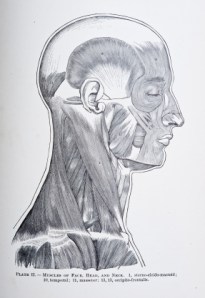 Now while it’s true that we doctors still have a lot to learn — that’s why we’re always practicing — you would think that we would have our anatomy down pat. Right? Well not exactly.
 It’s not uncommon — when I query someone who has come to my office, if they have any neck pain, headaches, or lower back pain —for them to say, “Yes but….”

 SpinalColumnBlog